
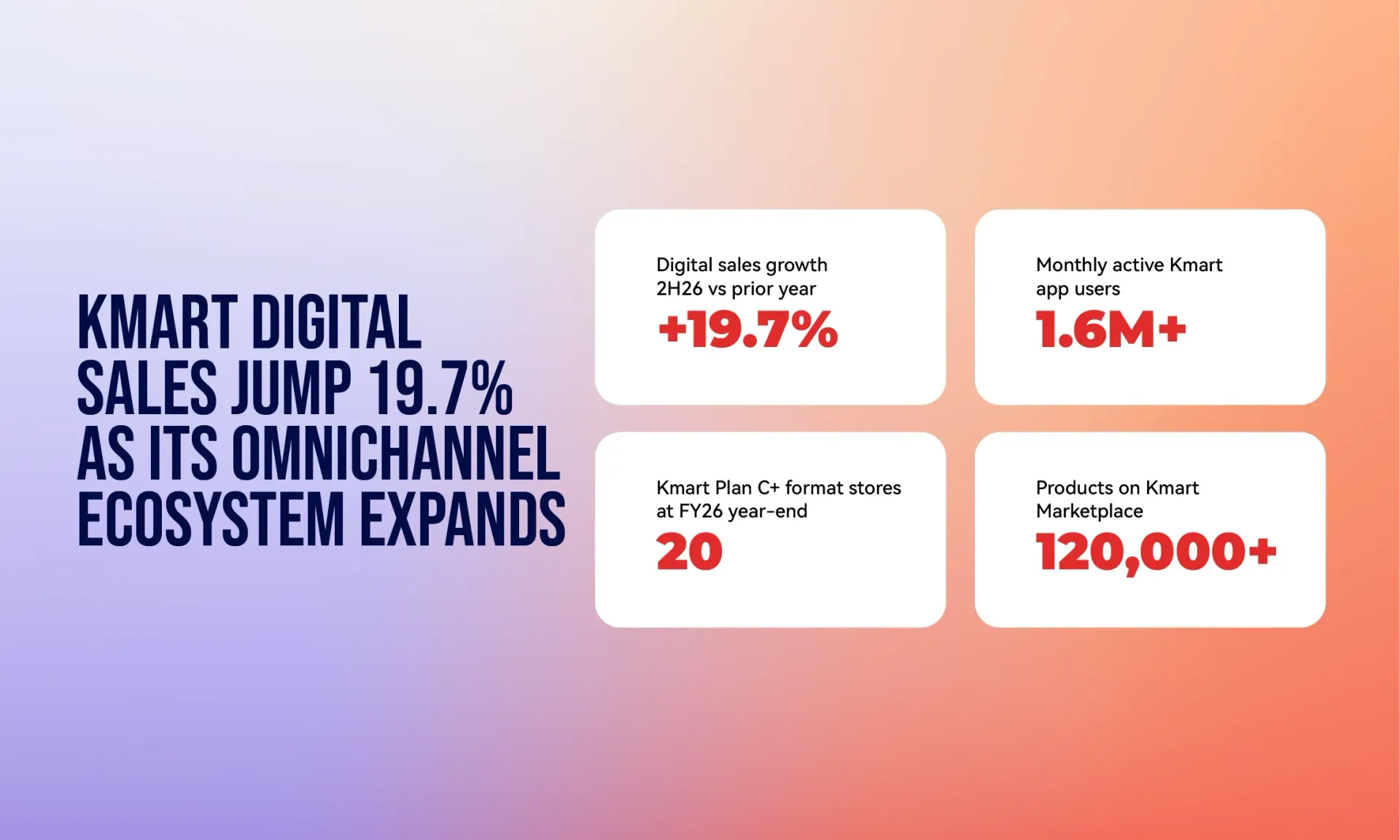
Kmart FY26 highlights a more connected retail model as digital growth, AI, RFID, stores, fulfilment and supply-chain technology increasingly work together.
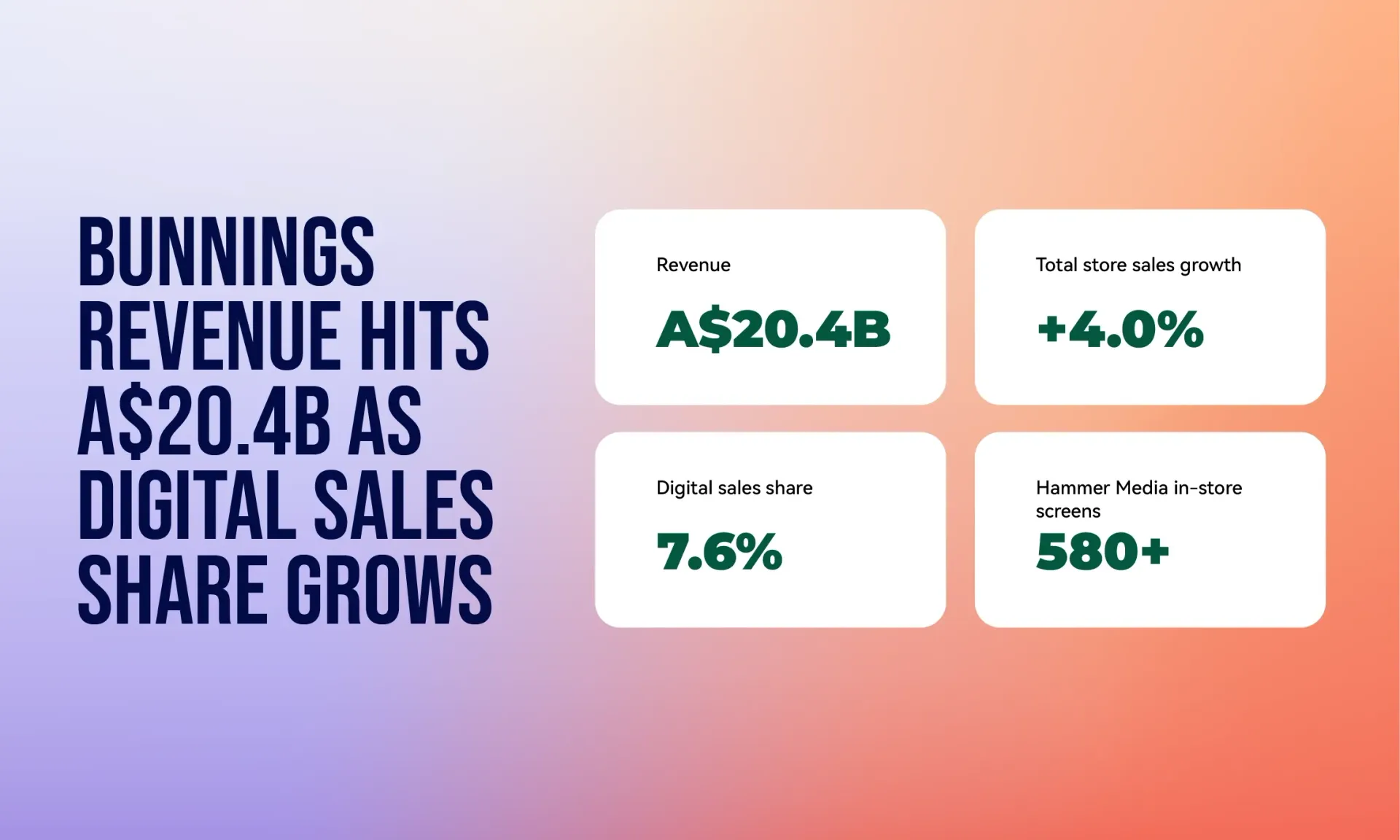
Bunnings FY26 revenue reached A$20.4 billion as digital sales grew to 7.6% of total sales, highlighting the closer connection between stores and digital retail.
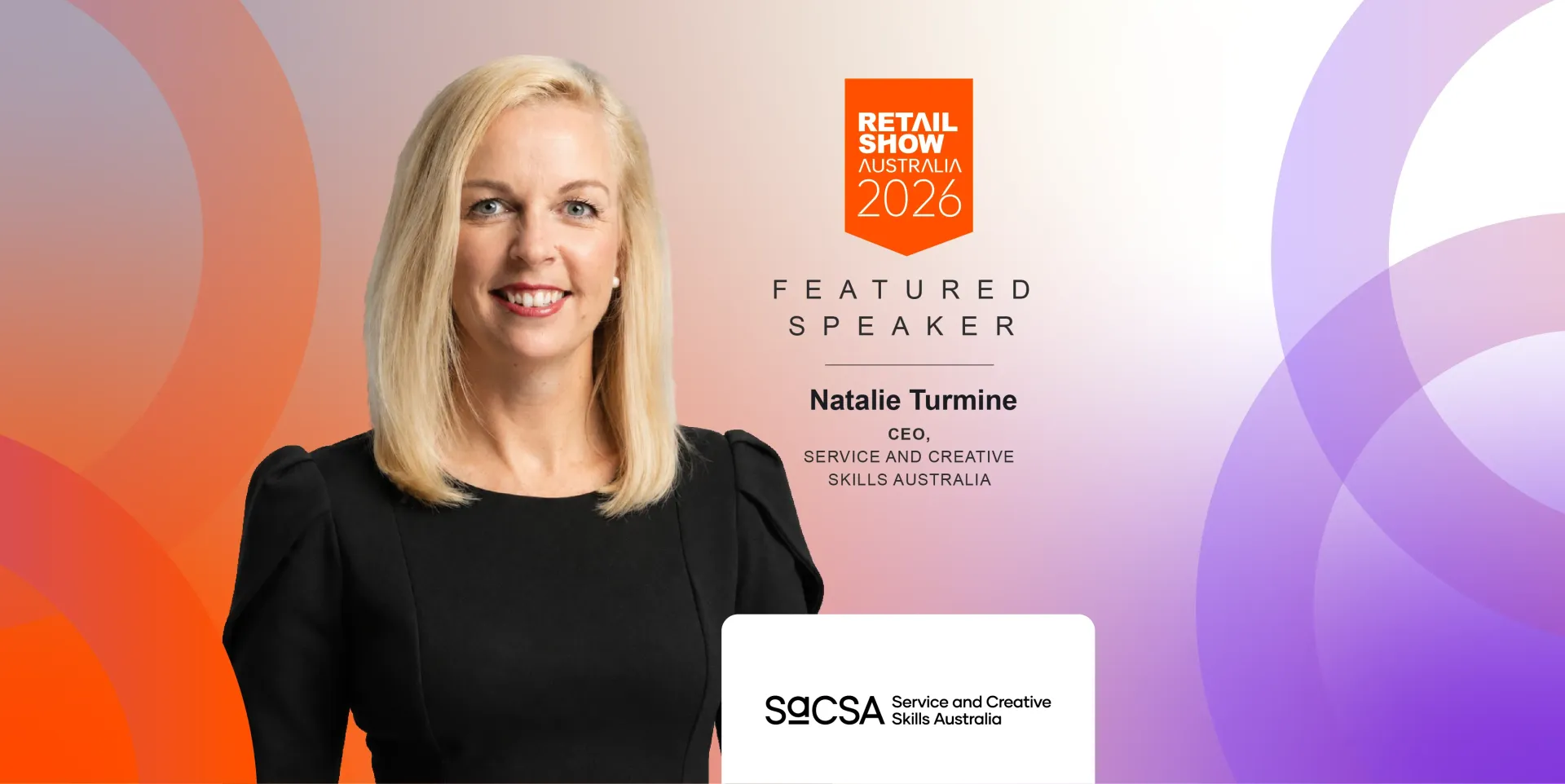
SaCSA leaders Natalie Turmine and Nicole Venter join Retail Show Australia 2026 to explore retail skills, workforce gaps, AI, automation, and future capability.
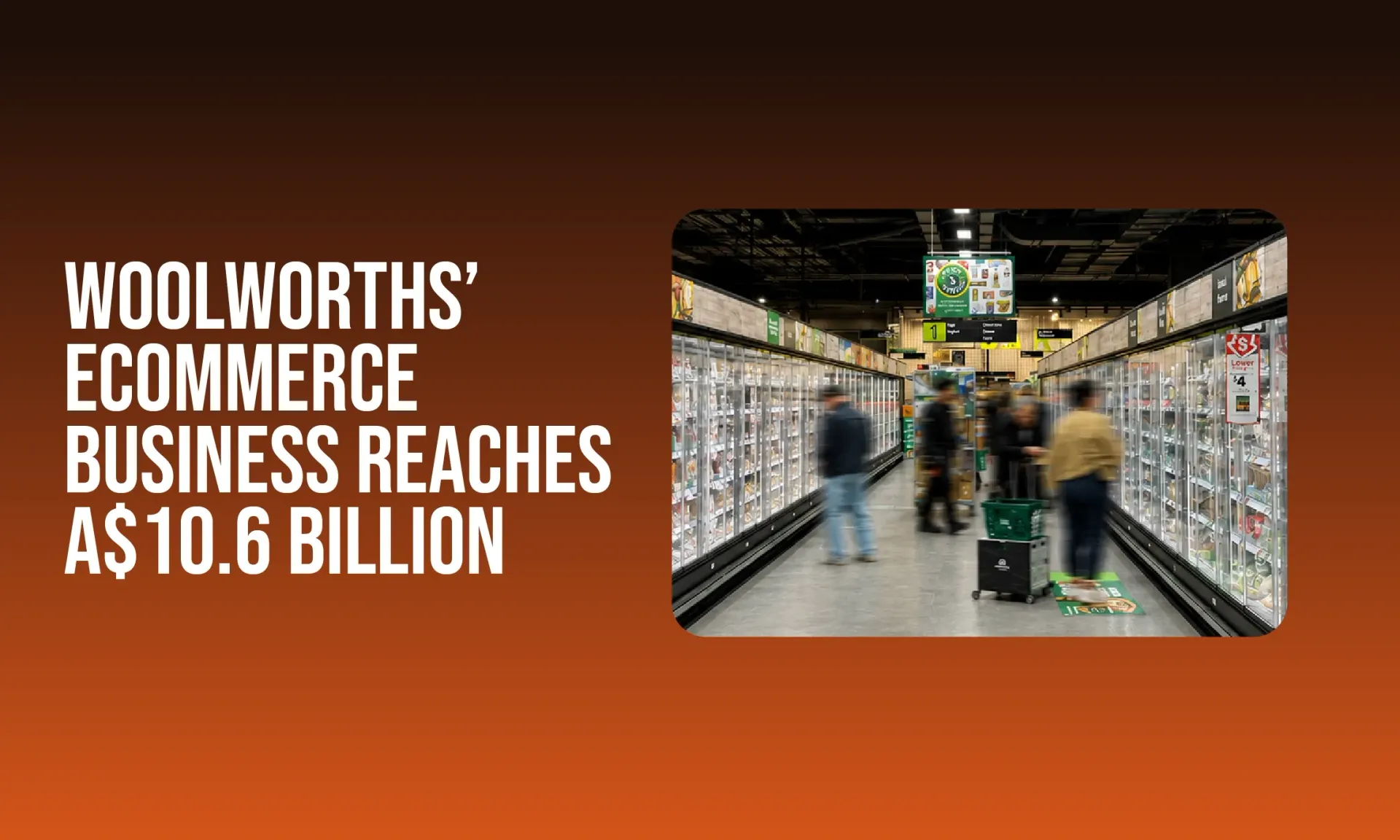
Woolworths eCommerce sales reached A$10.6 billion in FY26, rising 15.9% as online grocery becomes increasingly integrated with stores and fulfilment.
Coles is investing another A$300 million in new stores, renewals, online fulfilment, automation and technology as it prepares for its next phase of growth.

Storepro joins Retail Show Australia 2026 to showcase retail construction and fitout expertise across new stores, refurbishments, rollouts, and ongoing works.

David Jones and Schneider Electric join RSA2026 to explore how sustainability data can guide store performance, capital planning, and smarter retail investment.

Preezie CEO Michael Tutek joins Retail Show Australia 2026 to explore how agentic AI can improve eCommerce conversion, service, and customer journeys.
Avesta Labs showcases its AI co-worker at Retail Show Australia 2026, helping retailers automate replenishment workflows while keeping human approval in control.
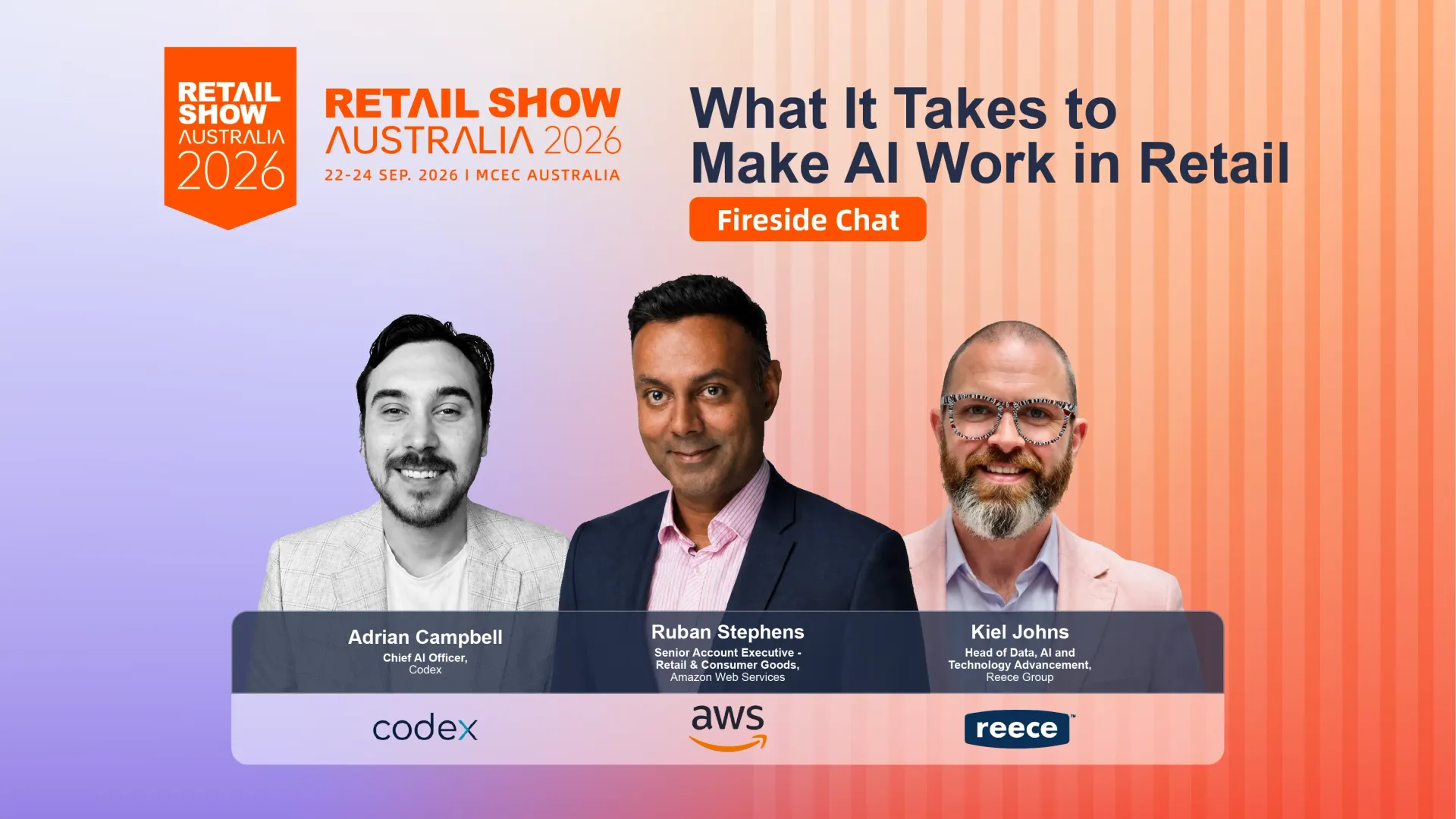
Retail leaders from Codex, Reece Group and AWS join RSA2026 to explore how data, governance, trust and human judgement can make AI work in retail operations.