What EB Games’ Closures Reveal About the Future of ANZ Retail
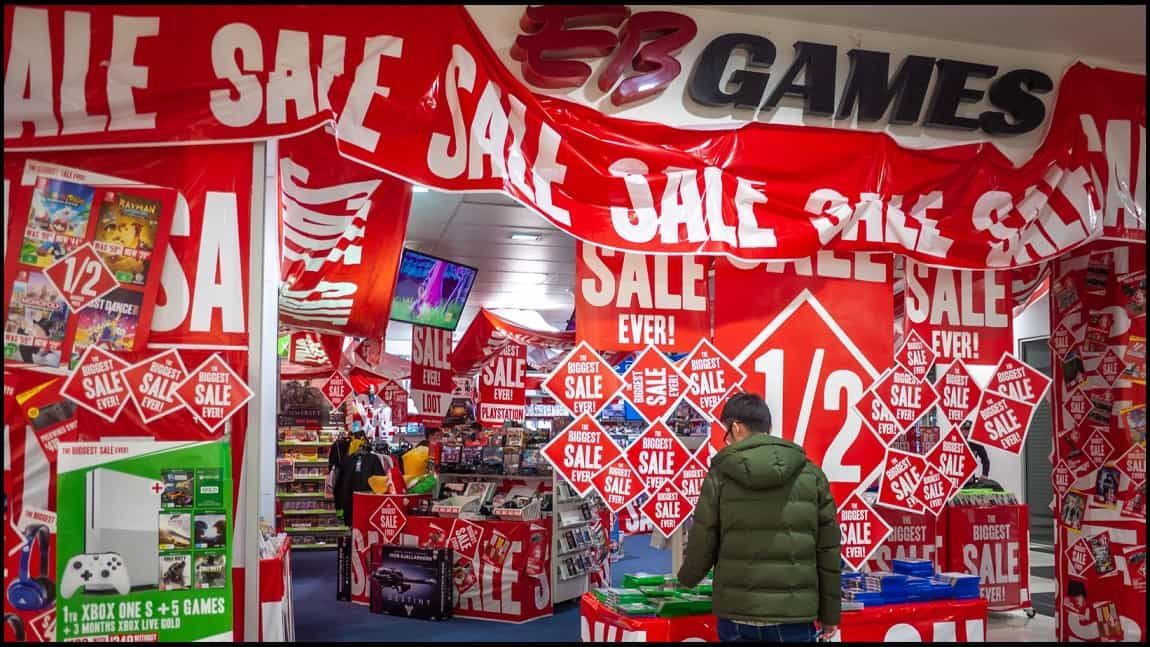
The recent decision by EB Games to close all 38 of its New Zealand stores while scaling back selected locations in Australia has sparked widespread discussion across the retail industry. While the headlines focus on store closures, the deeper story is not about decline — it is about structural change.
For retailers, brands, and industry leaders across Australia and New Zealand, EB Games’ move offers several important insights into where the region’s retail sector is heading.

1. Scale No Longer Guarantees Security
One of the most striking aspects of this development is the contrast between markets.
EB Games continues to operate a large network in Australia, yet has chosen to exit New Zealand entirely. This highlights a critical shift in retail strategy: markets are now assessed individually, not regionally.
New Zealand presents unique challenges — a smaller population base, high operating costs, and complex logistics. When combined with rising digital adoption, maintaining a large physical footprint becomes increasingly difficult to justify.
Industry insight:
Retailers can no longer rely on an “ANZ-wide” strategy. Each market now requires its own profitability model, store format, and growth plan.
2. The Role of the Physical Store Is Being Redefined
EB Games’ situation underscores a broader truth across retail: physical stores that exist purely to sell products are under pressure.
In categories like gaming, where digital downloads and subscription models are growing rapidly, traditional transaction-based retail is losing relevance. What still holds value is experience.
The stores that remain viable are those that function as:
- Brand experience centres
- Community hubs
- Discovery and engagement spaces
- Destinations for exclusive or limited-edition products
Industry insight:
The future of brick-and-mortar retail is not about volume — it is about purpose. Stores must justify their existence beyond sales alone.
3. Store Closures Signal Optimisation, Not Collapse
It is important to separate retail contraction from retail decline.
In Australia, EB Games is not withdrawing from the market. Instead, it is closing underperforming locations, renegotiating leases, and concentrating resources on stronger-performing stores.
This mirrors a wider global trend:
- Fewer stores
- Higher-quality locations
- Greater integration between online and offline channels
Industry insight:
Success is increasingly measured by store productivity, customer lifetime value, and omnichannel efficiency — not by total store count.
4. New Zealand Is Becoming a Higher-Risk Market for Global Retailers
The complete exit from New Zealand sends a clear message to international brands.
As global retailers face tighter margins and stronger shareholder scrutiny, smaller and higher-cost markets are often the first to be reassessed. For many international brands, New Zealand is shifting from a growth market to a test market — or being served digitally rather than physically.
This creates challenges, but also opportunities.
Industry insight:
While international brands may retreat, local and agile retailers — with lighter operating models and deeper local knowledge — are well positioned to fill the gap.
5. Key Takeaways for Retail Leaders
The EB Games case offers several practical lessons for retailers across Australia and New Zealand:
- Redefine the purpose of physical stores — from sales outlets to brand and experience platforms
- Optimise before expanding — quality of stores matters more than quantity
- Design lighter formats for smaller markets — including pop-ups, shop-in-shop, and hybrid models
- Ensure digital channels are independently profitable — not just supporting physical retail
- Plan exit strategies early — resilience includes knowing when and how to withdraw without damaging brand equity
Looking Ahead
EB Games’ store closures are not a warning sign of retail failure — they are a signal that the industry is entering a more disciplined, efficiency-driven era.
For retailers that can adapt, rethink the role of physical space, and balance experience with profitability, the next phase of retail in Australia and New Zealand will not be smaller — it will be smarter.
As the industry gathers at Retail Show Australia 2026, these shifts will be central to conversations about the future of stores, brands, and consumer engagement.