
How Gamified Commerce is Reshaping Consumer Engagement
In 2026, retailers are innovating beyond traditional price promotions and loyalty points to rethink how they engage customers. A compelling trend capturing both shopper attention and strategic investment is gamified commerce — the blending of play mechanics with retail transactions.
Gone are the days when shopping was a passive experience. Instead, consumer-facing brands are tapping into game-like experiences, chance mechanics, and interactive rewards to drive excitement, deepen engagement, and reframe the act of buying as an immersive journey.

What Is Gamified Commerce?
At its core, gamified commerce incorporates elements of gaming — such as uncertainty, reward systems, progress feedback, and surprise — into retail experiences. These can take many forms:
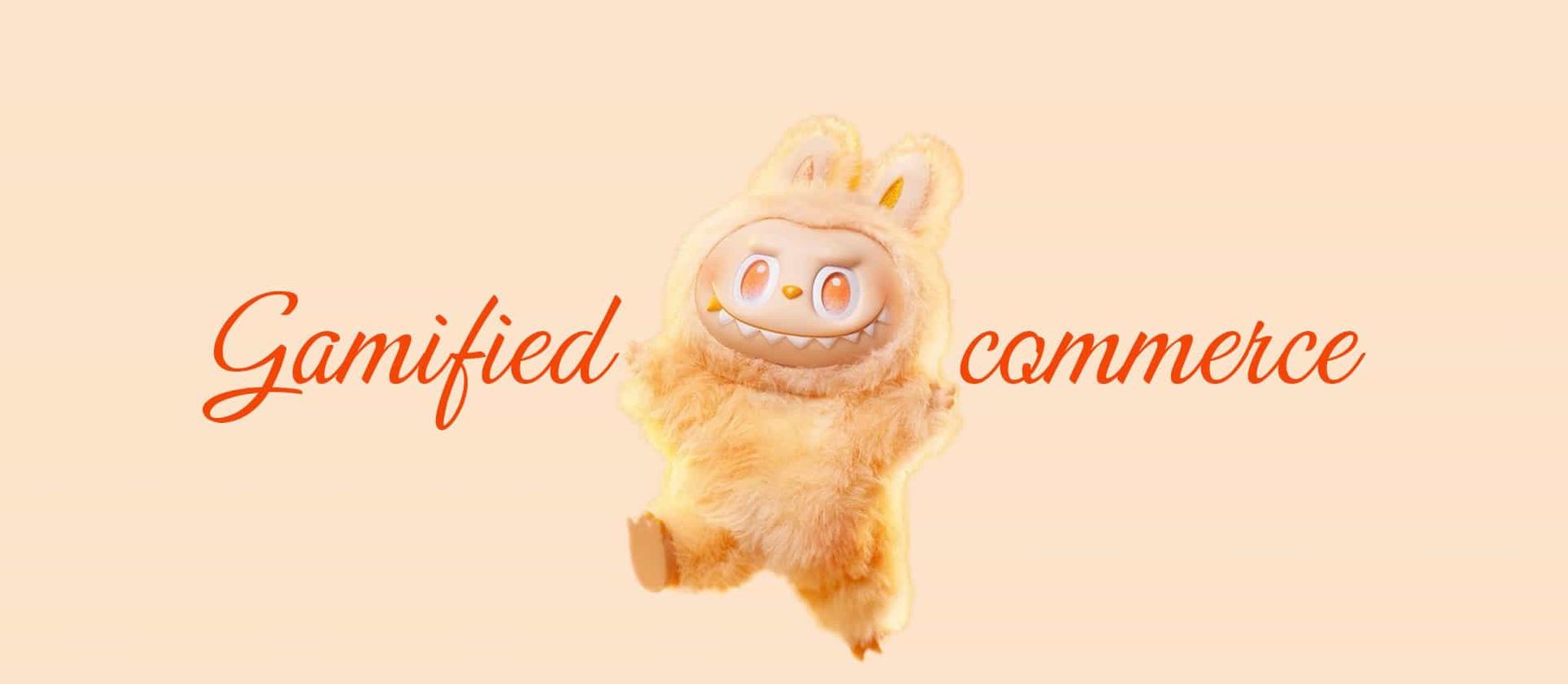
- Mystery or “blind box” offerings where shoppers spend a set amount and receive a surprise selection of products.
- Reward challenges and milestone systems that turn routine purchasing into a progression-driven experience.
- Interactive digital experiences such as AR interactions or in-app games tied to shopping outcomes.
This approach is inspired by behavioral psychology and entertainment dynamics more than traditional commerce — creating emotionally engaging, curiosity-driven shopping rather than transactions based purely on price or convenience.
Why Gamified Commerce Is Trending Now
Several factors explain its rapid uptake across markets:
Shift in Consumer Expectations
Modern shoppers, especially Gen Z and Gen Alpha, seek engagement and experiences, not just products. They prefer interactions that feel playful and personalised over static offers. Retailers are responding by designing experiences that treat shopping like an adventure.
Inventory and Buzz Creation
Playful reward systems foster emotional connections, nudging repeat visits and deeper brand relationships.
Better Data Insights
Real-time performance and participation data help retailers refine segmentation, personalise offers, and plan inventory.
Differentiation in Competitive Markets
In categories where products are easily commodified, gamification becomes a source of differentiation — particularly in fashion, beauty, and lifestyle segments where experience carries value.
How Gamification Is Being Applied Today
Mystery Boxes & Blind Bundles
Brands are packaging curated or surprise items behind a purchase — injecting excitement and chance into the buying process. This mechanic, popular in Asia for years, is now gaining traction globally.
Loyalty Game Mechanics
Traditional loyalty schemes are being upgraded with progress bars, tiers, badges, and challenges that reward actions beyond purchases — such as app logins, product reviews, or social shares.
AR & In-App Interactive Features
Augmented reality and mobile games are transforming product discovery. AR tools let customers explore products in situ or complete quests to unlock rewards.
Seasonal and Event-Driven Campaigns
Limited-time gamified campaigns — scavenger hunts, countdowns, digital spin wheels and challenges — are connecting brand narrative with festive moments in the retail calendar.
These applications underscore a broader shift: retailers are no longer selling products alone but selling experiences that entertain, surprise, and reward engagement.
Key Strategic Impacts for Retailers
Enhanced Customer Engagement
Gamification drives interaction time, creating stickier experiences that extend beyond the checkout.
Stronger Brand Loyalty
Traditional loyalty schemes are being upgraded with progress bars, tiers, badges, and challenges that reward actions beyond purchases — such as app logins, product reviews, or social shares.
Better Data Insights
Real-time performance and participation data help retailers refine segmentation, personalise offers, and plan inventory.
Differentiation in Competitive Markets
In categories where products are easily commodified, gamification becomes a source of differentiation — particularly in fashion, beauty, and lifestyle segments where experience carries value.