Can Australia's Public Supermarket Proposal Really Deliver 30% Cheaper Groceries?

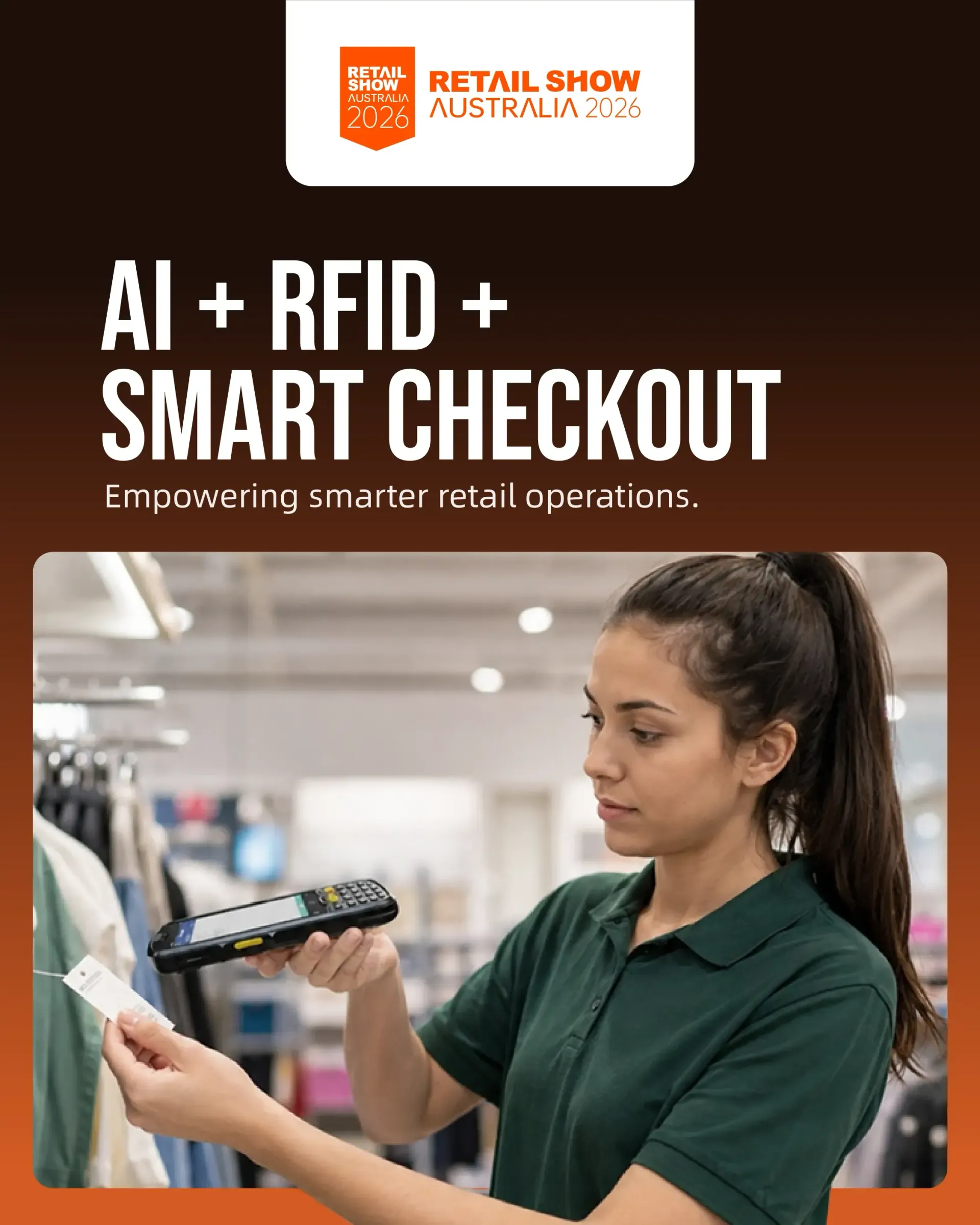
Key trends driving the future of retail technology include:
- AI-driven operations that optimize decision-making and streamline workflows
- Smart checkout solutions that reduce friction and improve customer convenience
- RFID-enabled inventory visibility for greater accuracy and supply chain efficiency
- Seamless customer journeys that connect online and in-store experiences
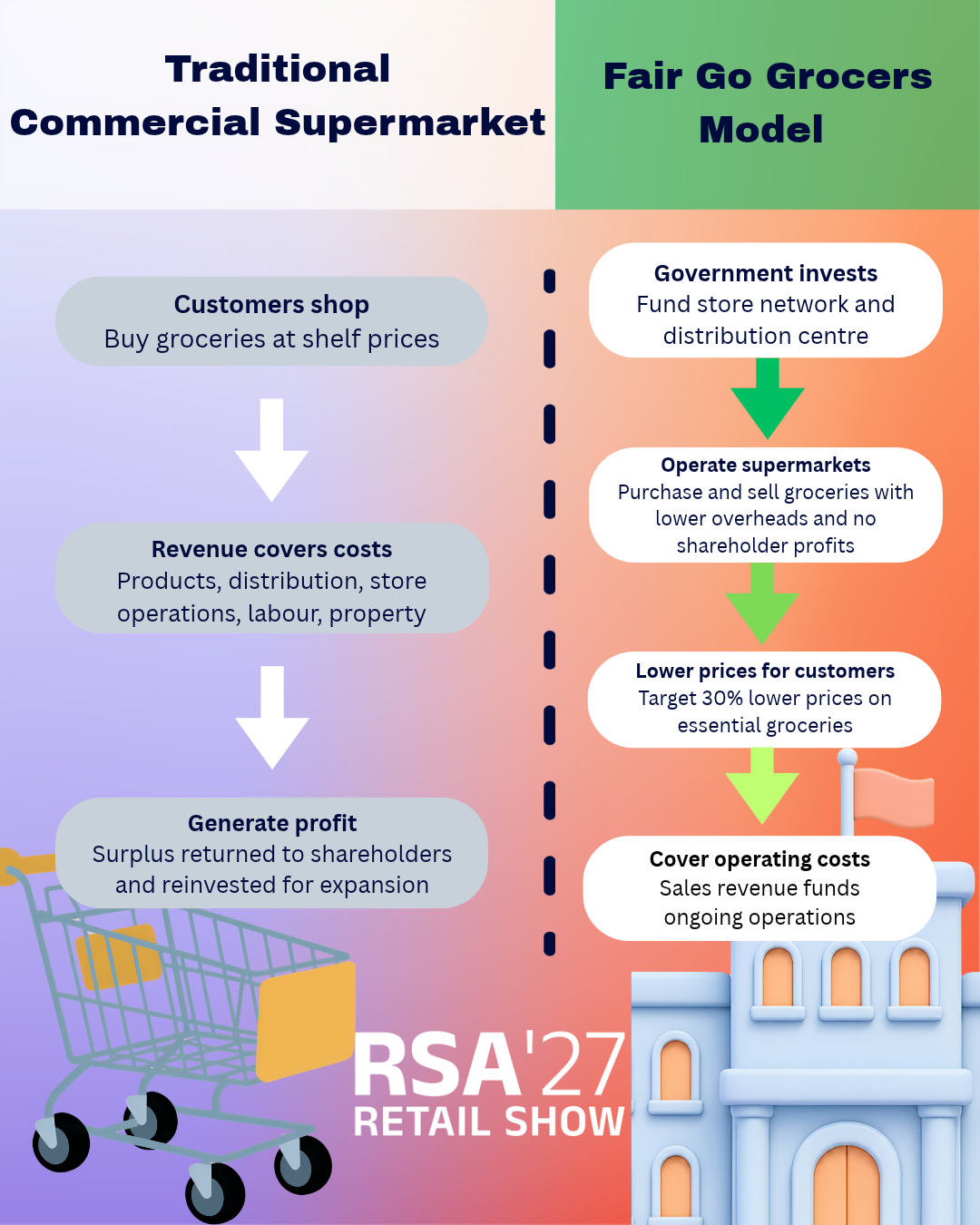
Four Supermarket Models, One Australian Market: What Really Makes Groceries Cheaper?
Australia's grocery competition debate has taken a new turn.
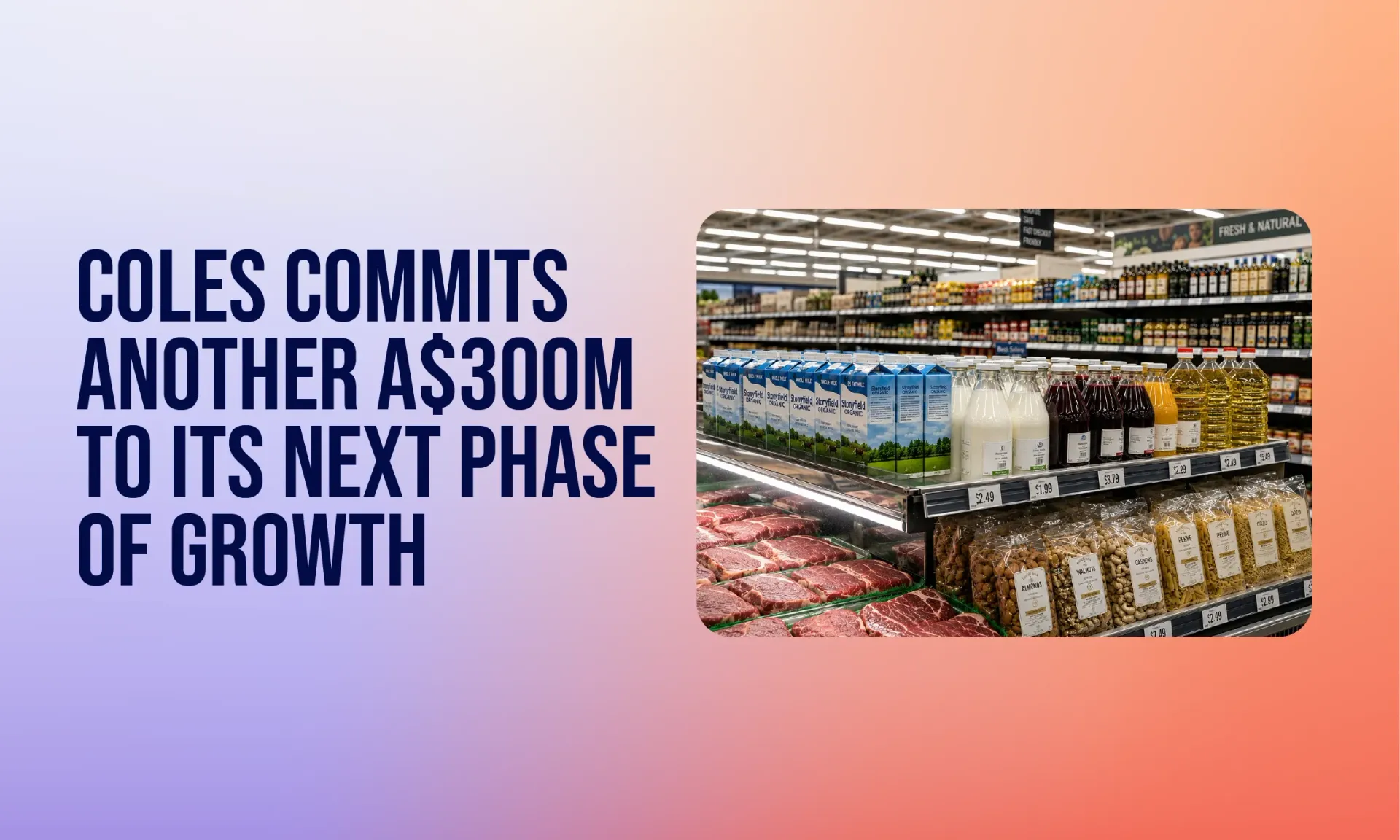
The Green Institute's proposed Fair Go Grocers network aims to deliver 30% lower prices on essential groceries through publicly owned supermarkets, backed by A$25.1 billion in proposed government investment.
But Australia already has several distinct supermarket business models. Coles and Woolworths compete through national scale and convenience, ALDI through operational simplicity, and Costco through membership-based warehouse retailing.
Each approaches the same commercial challenge differently: how can a retailer lower prices while maintaining a sustainable business?
Four Models, Four Different Cost Strategies
Coles & Woolworths: Economies of Scale
Australia's two largest supermarket operators benefit from extensive store networks, purchasing volumes and established distribution infrastructure.
Their scale allows procurement and logistics costs to be spread across substantial sales volumes, while broad product ranges and convenient locations serve everyday shopping needs.
However, these advantages are difficult for new competitors to replicate. The ACCC has identified access to suitable locations, supplier networks and distribution scale as significant barriers to market entry.
Scale therefore creates a dual effect: it can improve operating efficiency while reinforcing the competitive position of established retailers.
ALDI: Reducing Complexity Before Reducing Prices
ALDI demonstrates that lower prices do not necessarily require the largest store network.
Its discount model relies on a substantially smaller product range, extensive private-label sourcing, standardised stores and efficient operations.
Fewer product lines concentrate purchasing volumes, simplify supplier coordination and reduce inventory complexity. Smaller stores also limit property and operating requirements.
The commercial advantage is not simply cheaper procurement. It is a business designed to require fewer resources per transaction.
However, this efficiency comes with a trade-off: customers have less choice than in a full-service supermarket.
Costco: Membership Revenue and High-Volume Retail
Costco takes a different approach.
Its membership-based warehouse model combines limited product selection, bulk purchasing, large transaction volumes and relatively low merchandise margins.
Warehouse-style stores reduce handling and presentation costs, while rapid inventory turnover helps support the model. Membership fees provide an additional revenue stream beyond merchandise sales.
This allows Costco to compete on value without depending on conventional supermarket pricing structures.
Yet the model is not suitable for every shopping occasion. Membership requirements, bulk purchases and warehouse locations can be less convenient for smaller households or frequent top-up shopping.
Costco's advantage comes from matching a particular operating model to a particular customer behaviour.
Fair Go Grocers: Changing Ownership, Not Eliminating Costs

The proposed Fair Go Grocers model would introduce public ownership into the competitive landscape.
Its plan involves acquiring 200 existing supermarkets and building 424 new stores, with sales revenue intended to cover ongoing operating expenses.
Without conventional shareholder profit requirements, the network could prioritise affordability over commercial returns.
However, public ownership does not automatically reduce the costs of sourcing products, transporting inventory, staffing stores or maintaining distribution infrastructure.
Unlike ALDI and Costco, whose operating models have been tested in the market, Fair Go Grocers' proposed cost advantages remain unproven.
Its central challenge would be developing competitive procurement and logistics capabilities while delivering substantial discounts and fair supplier payments.
What Actually Makes a Supermarket Model Competitive?
The comparison reveals that ownership, scale and operating efficiency are three different things.
Large networks can reduce unit costs through economies of scale, but size alone does not guarantee the lowest prices.
ALDI achieves efficiency by simplifying its assortment and operations. Costco uses membership economics and high-volume purchasing. Coles and Woolworths leverage national distribution and broad consumer accessibility.
Fair Go Grocers proposes changing the financial objective of the retailer, but would still need to establish the operational capabilities that make the other models competitive.
The more useful question is therefore not which model eliminates the most profit.
It is which model delivers the lowest sustainable cost-to-serve for the customers and locations it targets.
Which Model Best Suits Australia?
Australia's geography makes this question particularly important.
A dispersed population, long transport distances and significant differences between metropolitan and regional markets mean that no single supermarket format is likely to be optimal everywhere.
Full-service supermarkets offer range and convenience. Discount retailers suit price-conscious customers willing to accept less choice. Warehouse clubs appeal to households and businesses that benefit from bulk purchasing.
A publicly owned alternative could potentially address underserved communities or introduce additional competitive pressure, but its effectiveness would depend on location selection, funding discipline and demonstrated operating efficiency.
Rather than choosing one national winner, Australia's stronger long-term opportunity may lie in greater competition between genuinely differentiated models, supported by better access to retail sites, transparent pricing and efficient supply chains.
For retailers and technology providers, the implications are practical: procurement productivity, inventory turnover, distribution efficiency and store operating costs will continue to shape competitiveness regardless of ownership.
Ultimately, the future of Australian grocery retail may depend less on who owns the supermarket—and more on how effectively each business model serves its customers.
The best model isn't necessarily the biggest or the cheapest. It's the one that can deliver value sustainably.
Explore the Future of Retail at RSA2027
Retail Show Australia 2027 brings together retailers, technology providers and industry professionals to explore the innovations and operating models shaping Australia's retail sector.
8–9 September 2027 | Melbourne Convention & Exhibition Centre
Sources
· Green Institute — Fair Go Grocers Proposal
· ACCC — Supermarkets Inquiry 2024–25
· ACCC — Supermarkets Inquiry Interim Report
· Costco — FY2025 Annual Report
· University of Queensland — Economic Analysis of Fair Go Grocers