
Black Friday 2026: The Margin Question Behind Australia's Sales Forecast

October 30, 2026

Share this article

Retail store promo showing AI + RFID smart checkout with a woman scanning an item at a self-checkout terminal

Key trends driving the future of retail technology include:

  • AI-driven operations that optimize decision-making and streamline workflows 
  • Smart checkout solutions that reduce friction and improve customer convenience 
  • RFID-enabled inventory visibility for greater accuracy and supply chain efficiency 
  • Seamless customer journeys that connect online and in-store experiences 
Black Friday 2026: The Margin Question Behind Australia's Sales Forecast

November sales are forecast to rise. For Australian retailers, the tougher question is how much of that growth survives discounts and the cost of serving customers.

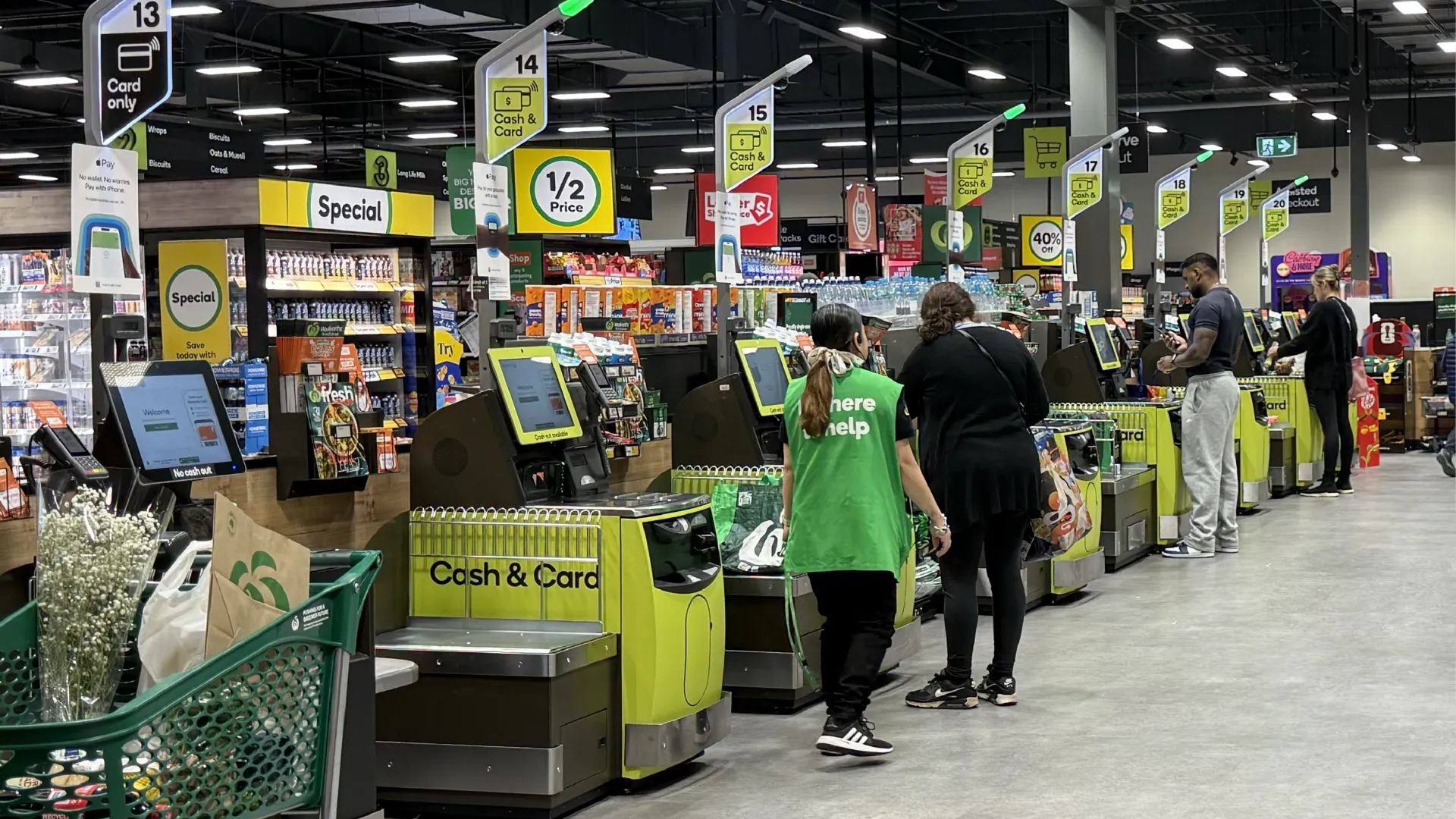
Australian retailers are preparing for Black Friday on 27 November, with promotional activity expected to lift November sales.

Photo: RSA team. Used for editorial illustration only. No affiliation with or endorsement by the retailer is implied.


On 28 October, Australian retailers received a timely reminder of the pressure facing shoppers. Annual inflation reached 4.3% in September, up from 4.0% in August, according to the Australian Bureau of Statistics.

Yet November sales could still be robust. Retail Mosaic expects a 4.7% rise from a year earlier, helped by promotions, household income growth and new product launches.

Neither figure tells retailers what will happen to their margins. A busy Black Friday can lift turnover without leaving the business better off once the full Christmas trading period is over.

Deloitte Access Economics expects real retail turnover growth to slow from 2.8% in 2025–26 to 1.5% in 2026–27. Its full-year, inflation-adjusted forecast is not directly comparable with Retail Mosaic's November sales projection, but both add context to a season in which every sale needs to work harder.


Christmas demand is shifting into November

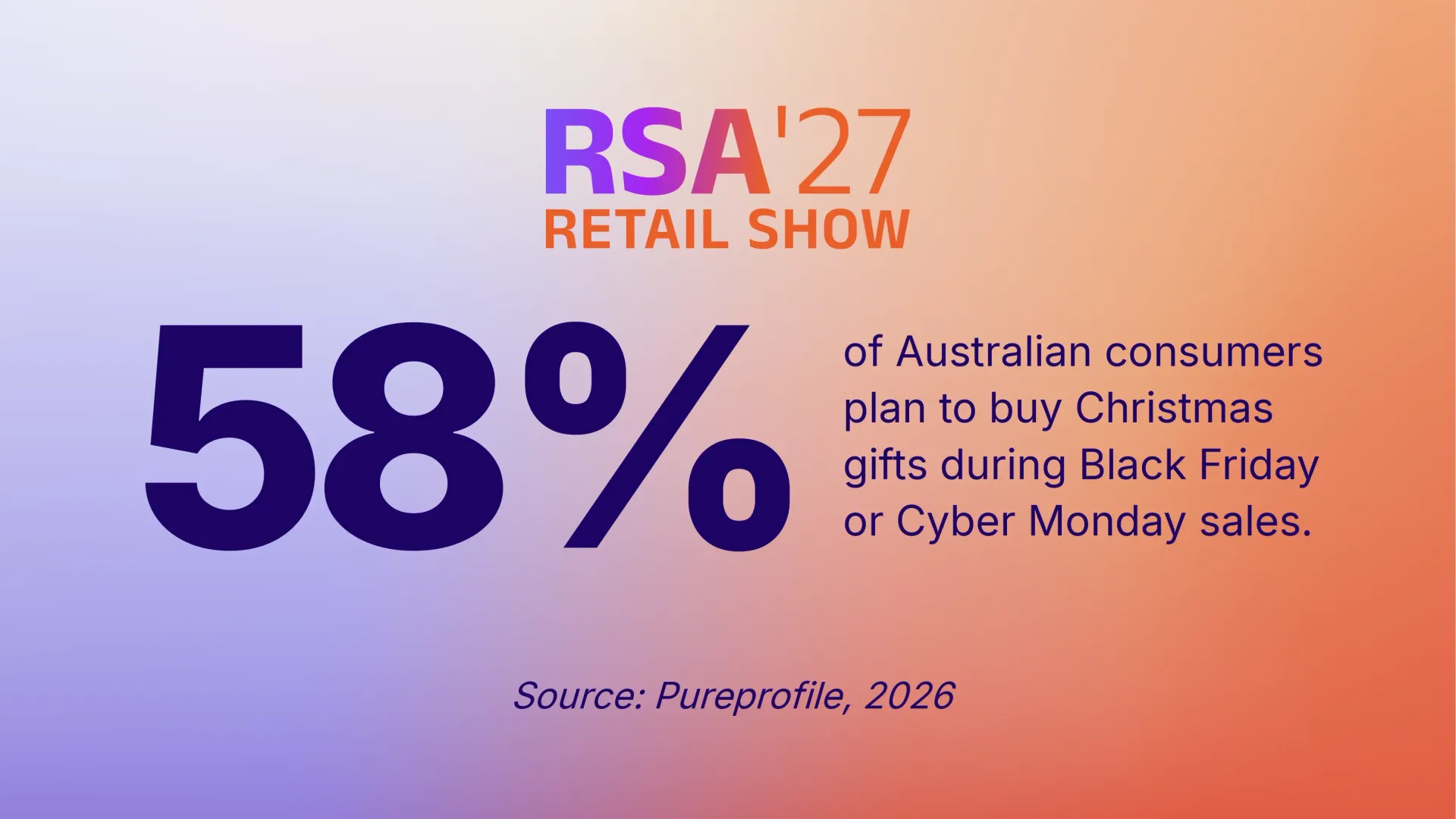
Black Friday now plays a substantial role in household Christmas budgets. Pureprofile’s 2026 Australia and New Zealand research found that 58% of Australian consumers plan to buy Christmas gifts during Black Friday or Cyber Monday sales.

Deloitte's Retail Report 2026 points to continued caution: 34% of surveyed consumers intend to restrict spending because of cost-of-living pressures, while 32% expect to switch to cheaper alternatives. The search for value is shaping not only what people buy, but when they buy it.


58% of Australian consumers plan to buy Christmas gifts during Black Friday or Cyber Monday sales. Source: Pureprofile, 2026.


For a retailer, an early Christmas purchase can mean two very different things. It might be an extra sale that would never have happened without the offer. Or it might be a December purchase brought forward to take advantage of a lower price.

Both appear in November revenue. Only the first clearly adds to seasonal demand. If too many full-price purchases move into the promotional window, strong Black Friday results may be followed by a quieter December and weaker margins across the season.

That is why the timing and depth of discounts matter as much as the sales they generate.


Discounts have to earn their place

Retail Mosaic has warned about early and excessive discounting this year, particularly broad-based promotions launched before 11 November. The concern is not discounting itself, but whether retailers recover the margin they give up.

An end-of-line product sold at a reduced price may free up cash and valuable shelf space. Discounting a popular product that would have sold at full price is a very different decision. Unless the offer attracts enough genuinely additional purchases, revenue can rise while the contribution from those sales falls.

Supplier funding and profitable add-on purchases can improve the economics. So can choosing carefully which products to promote. But headline sales figures rarely reveal those differences, or the additional cost of fulfilling a surge in orders.

As November promotions expand across physical stores and online channels, those fulfilment costs are becoming harder to ignore.


The cost of delivering a successful promotion

A rush of online orders brings more picking, packing, delivery and customer-service work. Busy stores face their own pressure: replenishment, stock availability and staff allocation all have to keep pace with demand.

Inventory errors can be expensive. A promoted item may sell out in one store while stock sits elsewhere in the network. Moving it at short notice adds cost; failing to move it risks losing the sale. Unsold products left after Christmas can require another round of markdowns.

More accurate demand forecasting and better stock visibility give retailers room to respond before those problems escalate. Integrated order management and warehouse automation can also reduce avoidable handling costs, provided the investment is matched to a genuine operational need.

Retailers can judge the results in fewer stockouts, faster replenishment, a lower cost per order and less inventory left to clear. Improvements in those areas have a direct bearing on the margin left after a promotion.


Retail Show Australia 2026’s Future Store showcased connected retail technologies and their practical applications in store operations.

Photo: Retail Show Australia 2026


These are year-round issues, even if Black Friday makes them more visible. Once the Christmas season ends, the same operational weaknesses — and the same opportunities to improve them — will shape retailers’ plans for 2027.


From peak trading to 2027 investment decisions

After Christmas, a more useful picture will emerge than the November sales headline. Retailers will be able to see how much demand was genuinely additional, what remained after discounts and fulfilment costs, and whether the promotional period left them with healthier inventory positions.

For one business, the evidence may point to better forecasting and stock allocation. Another may need to reduce fulfilment costs or improve coordination between online orders and store inventory. Investments in technology make sense when they address those specific problems and can be measured against results.

Retail Show Australia 2027 will bring retail decision-makers and solution providers together in Melbourne to examine practical developments in connected stores, AI, retail operations and supply chains. The discussions will be particularly relevant to businesses using the lessons of peak trading to set their next operational priorities.

November’s sales figures may look strong. Only the full Christmas result will show whether the promotions paid off.


Retail Show Australia 2027

8–9 September 2027 | Melbourne Convention and Exhibition Centre (MCEC), Melbourne, Australia

www.retail-show.com.au


Recent Posts

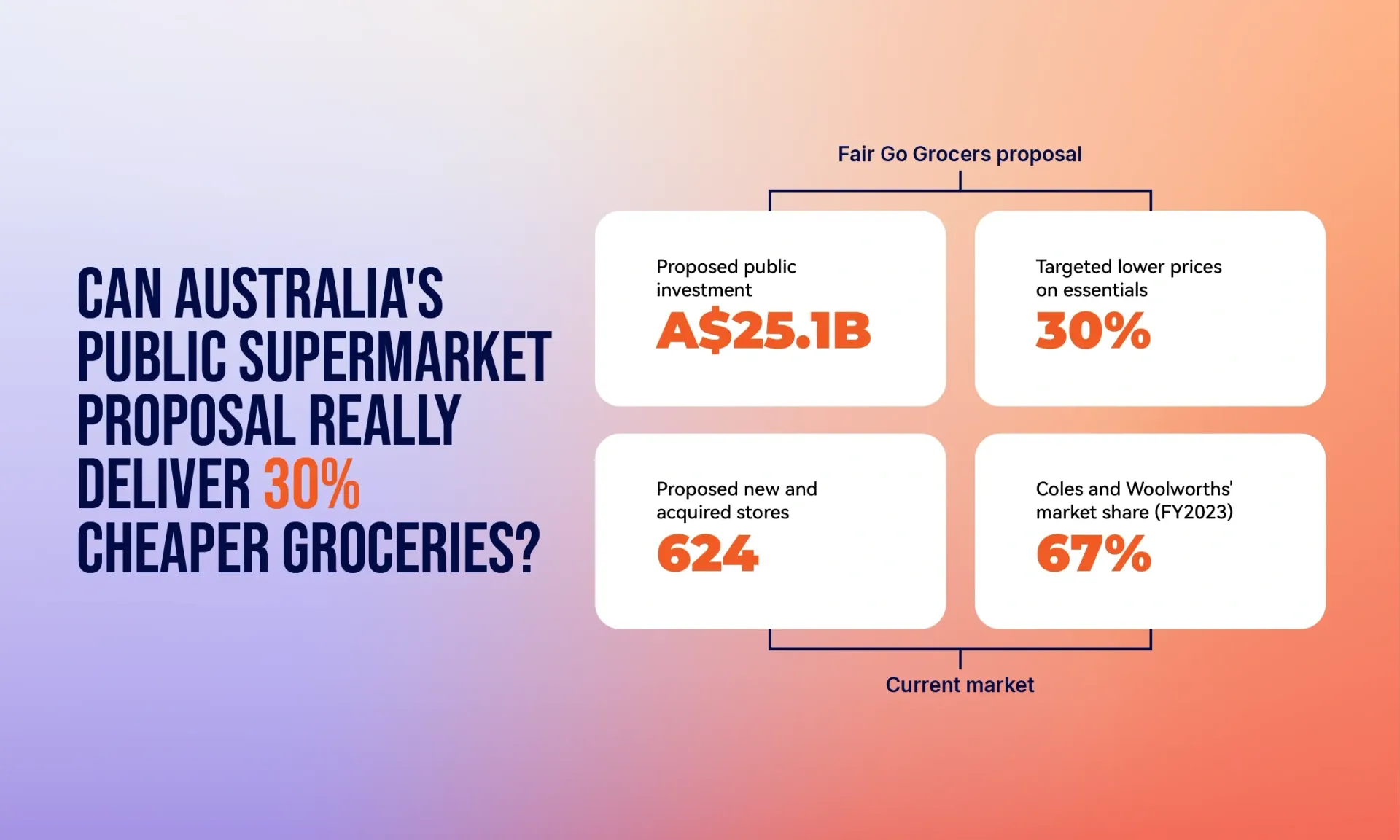
Infographic asking if Australia’s supermarket proposal could really deliver 30% cheaper groceries, with four stats.
October 21, 2026
Can Fair Go Grocers cut grocery prices by 30%? Explore Australia's proposed public supermarket model, retail competition and the economics behind it.
Kmart Digital sales jump 19.7% as omnichannel ecosystem expands, with four red-on-white stats tiles.
September 6, 2026
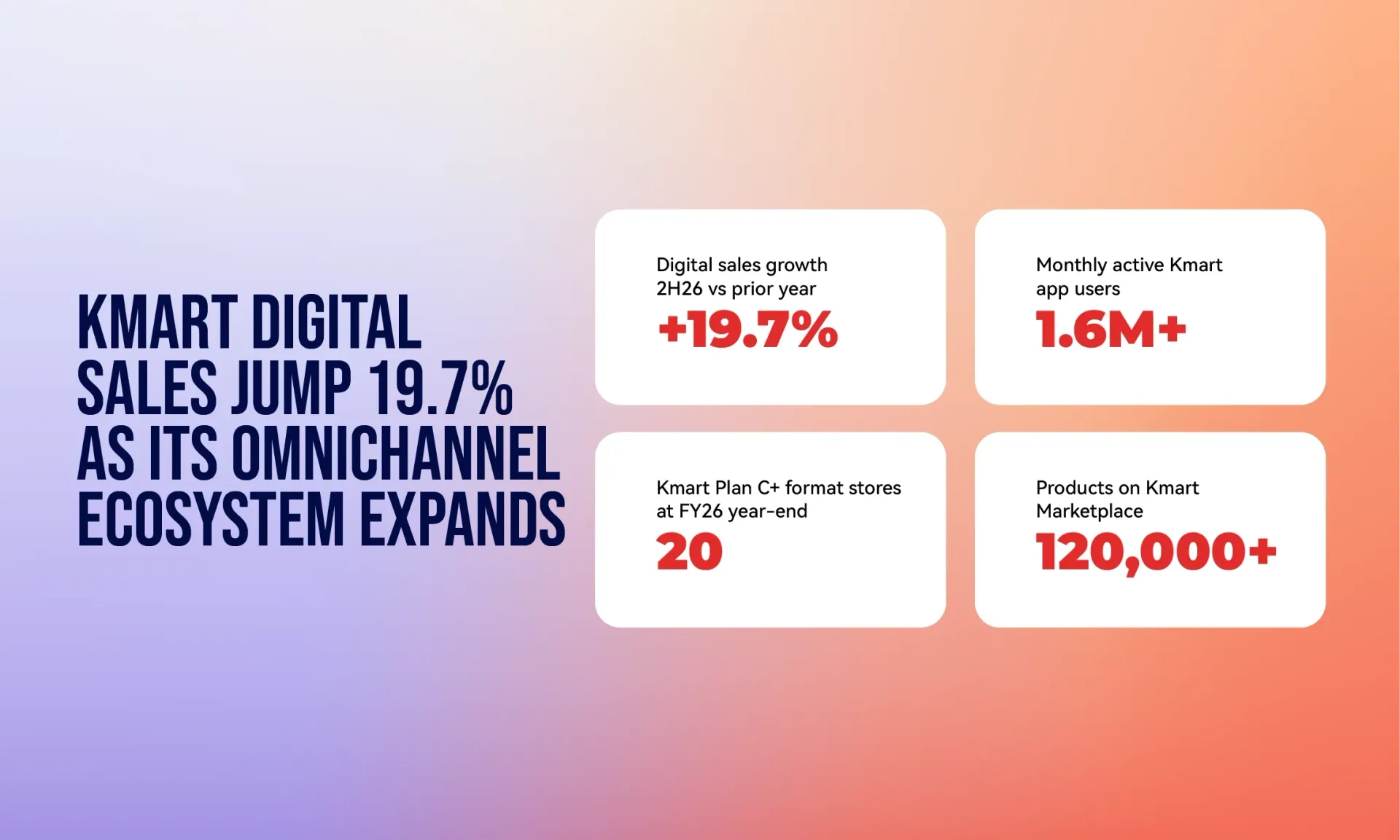
Kmart FY26 highlights a more connected retail model as digital growth, AI, RFID, stores, fulfilment and supply-chain technology increasingly work together.
Bunnings revenue hits A$20.4B as digital sales share grows, with four KPI boxes on a pink-orange gradient.
September 5, 2026
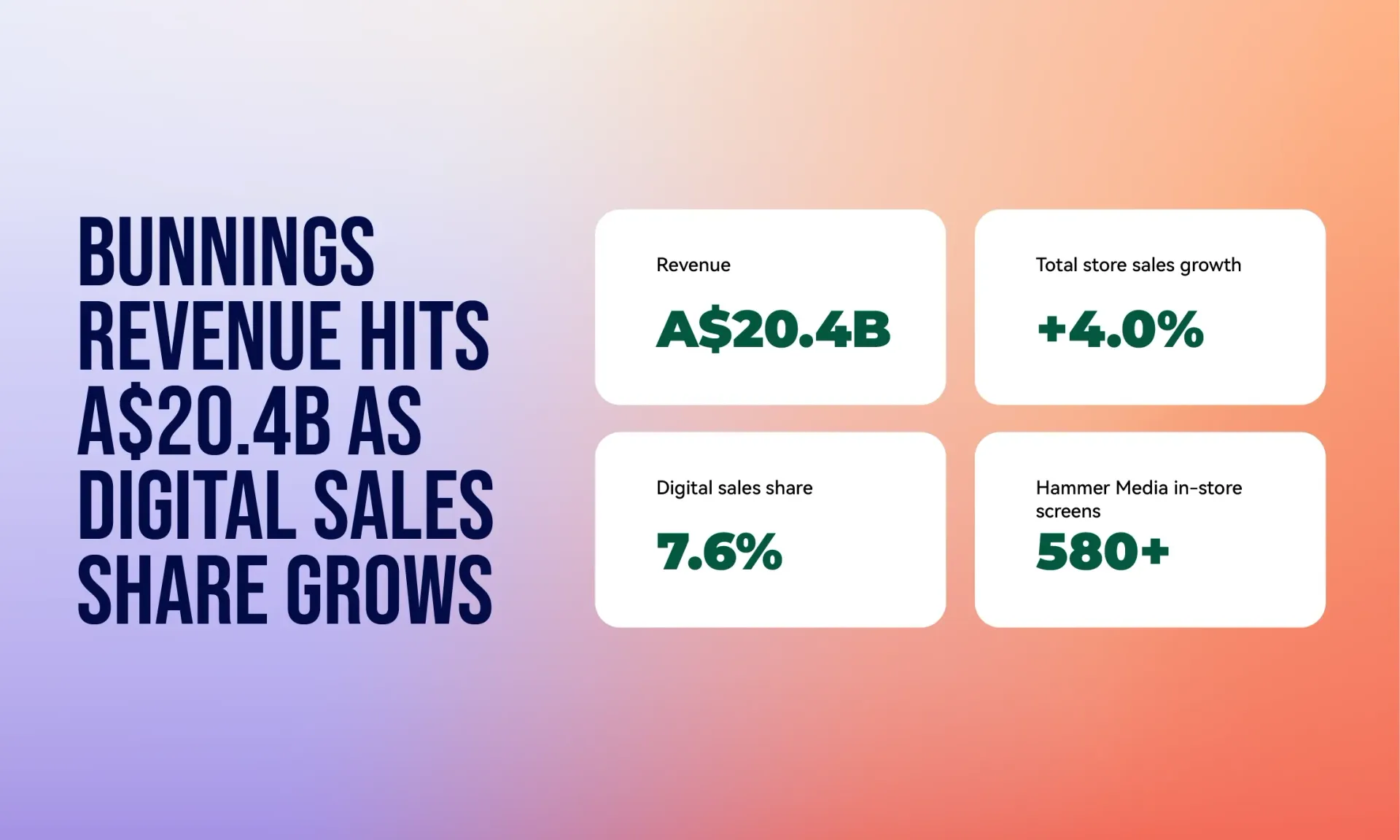
Bunnings FY26 revenue reached A$20.4 billion as digital sales grew to 7.6% of total sales, highlighting the closer connection between stores and digital retail.

Smiling woman in black dress beside event poster on a purple-orange gradient background
September 5, 2026
SaCSA leaders Natalie Turmine and Nicole Venter join Retail Show Australia 2026 to explore retail skills, workforce gaps, AI, automation, and future capability.
Woolworths e-commerce business reaches $10.6 billion, with shoppers in a supermarket aisle.
September 4, 2026
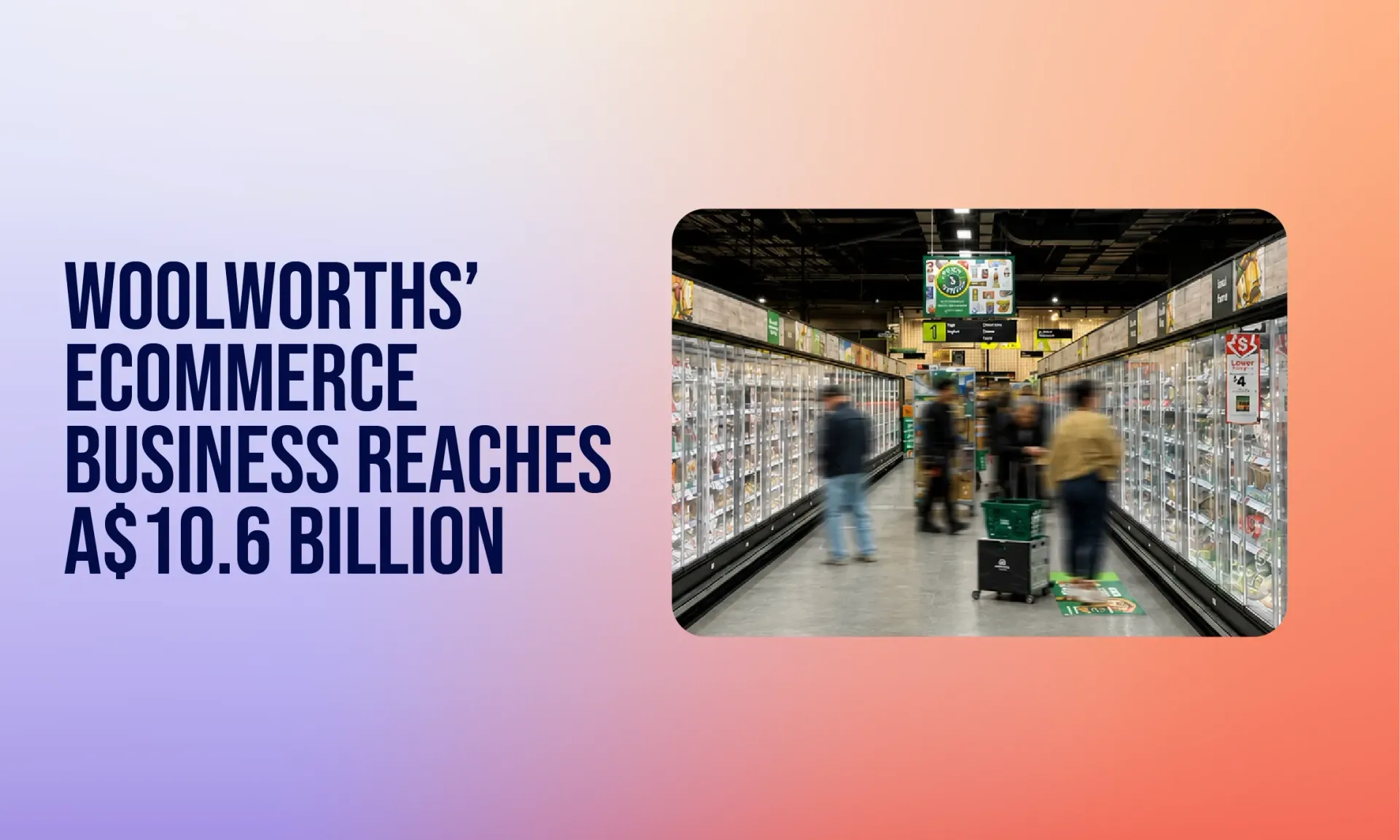
Woolworths eCommerce sales reached A$10.6 billion in FY26, rising 15.9% as online grocery becomes increasingly integrated with stores and fulfilment.
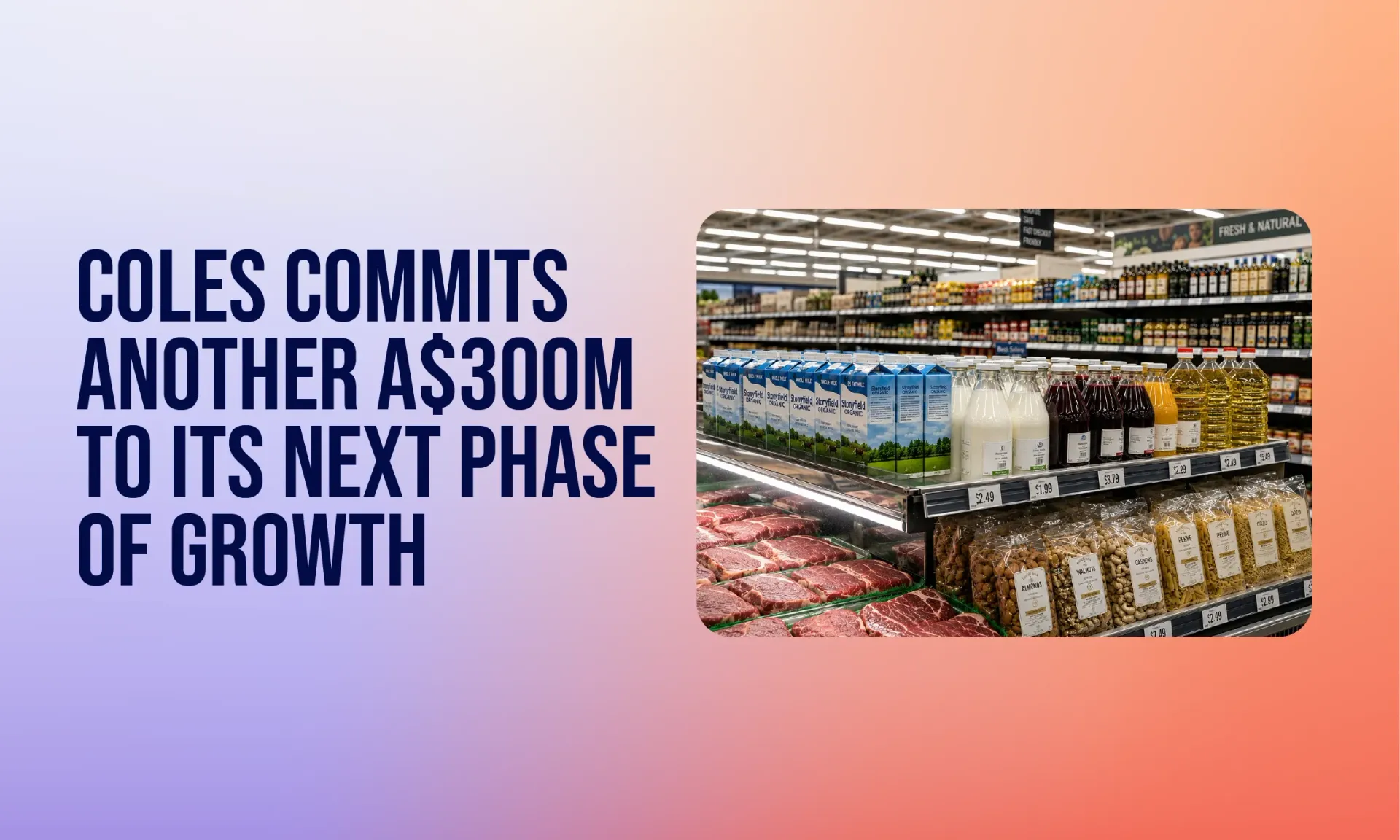
Coles store interior with headline announcing another A$300m investment in next growth phase
September 4, 2026
Coles is investing another A$300 million in new stores, renewals, online fulfilment, automation and technology as it prepares for its next phase of growth.

Storepro logo in black text with a green circular “o” on a white background
September 3, 2026
Storepro joins Retail Show Australia 2026 to showcase retail construction and fitout expertise across new stores, refurbishments, rollouts, and ongoing works.

Retail Show Fireside Chat banner with two speakers and text: “From Data to Action: The Retail Advantage Hidden in Sustainability Data”
September 3, 2026
David Jones and Schneider Electric join RSA2026 to explore how sustainability data can guide store performance, capital planning, and smarter retail investment.

Smiling man in black shirt on a purple-orange Prezi-branded background with logo and text.
September 2, 2026
Preezie CEO Michael Tutek joins Retail Show Australia 2026 to explore how agentic AI can improve eCommerce conversion, service, and customer journeys.

Avesta LABS logo in dark teal text on a white background
September 2, 2026
Avesta Labs showcases its AI co-worker at Retail Show Australia 2026, helping retailers automate replenishment workflows while keeping human approval in control.

Show More